
Introduction
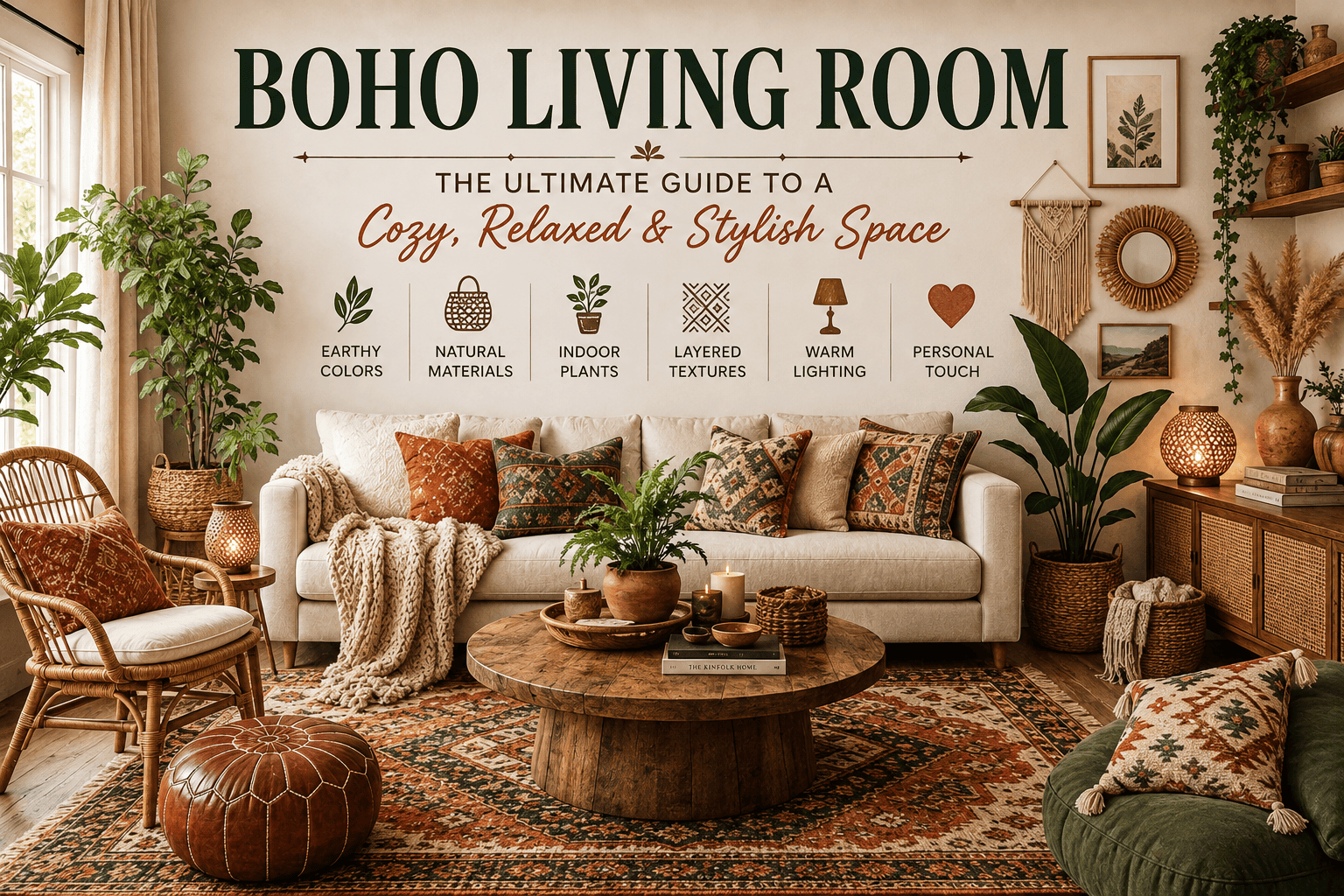
A boho living room is the perfect choice if you want your home to feel warm, comfortable, personal, and effortlessly stylish. Unlike highly coordinated interior styles, bohemian decor welcomes a relaxed mix of colors, textures, natural materials, vintage pieces, plants, and meaningful accessories.
The beauty of boho style is its flexibility. You can create a colorful and eclectic room filled with patterns, or choose a modern boho look with neutral colors, clean furniture, and subtle textures. The goal is not to make everything match perfectly but to create a space where different elements work together naturally.
A successful boho living room should also be practical. Comfortable seating, good lighting, clear walking space, and smart furniture choices matter just as much as decorative details. Once the foundation is right, you can gradually add layers of texture and personality.
Whether you have a large family room, a small apartment, or a limited decorating budget, these ideas can help you create a cozy and stylish boho living room.
What Is a Boho Living Room?
Boho, short for bohemian, is an interior style focused on individuality, creativity, natural elements, and a relaxed atmosphere. Instead of using perfectly matching furniture and accessories, bohemian interiors often combine different styles, materials, colors, and eras.
A modern sofa can sit beside a vintage wooden table, while a jute rug, rattan chair, indoor plants, and handmade pottery add warmth and character.
Common elements of a boho living room include natural wood, rattan, wicker, jute, woven textiles, earthy colors, indoor plants, vintage furniture, handmade decor, artwork, and warm lighting.
However, boho does not mean cluttered. A well-designed room needs balance. Decorative layers should add personality without making the space difficult to use or visually overwhelming.
Boho vs. Modern Boho
Traditional boho is usually more colorful, eclectic, and heavily layered. It may include patterned rugs, colorful cushions, macrame, vintage furniture, artwork, and plenty of decorative objects.
Modern boho keeps the same relaxed spirit but uses cleaner furniture, softer colors, simpler layouts, and more empty space.
For example, a modern boho living room might combine a cream sofa, wooden coffee table, jute rug, rattan chair, green plants, and a few carefully selected pieces of wall decor.
If you like bohemian warmth but prefer a cleaner appearance, modern boho is a great option.
Choose the Right Boho Color Palette
Color is one of the easiest ways to establish the mood of your living room. Boho interiors can be colorful, but they do not need bright colors everywhere.
A good approach is to start with a neutral foundation and introduce stronger shades through smaller decorative elements.
Earthy Neutrals
Cream, beige, warm white, sand, taupe, camel, and warm brown create a calm foundation for boho decor.
These colors work particularly well with natural materials because they allow wood, rattan, plants, and woven textiles to stand out.
Warm Accent Colors
Terracotta, rust, olive, mustard, muted blue, and deep green can bring personality into the room.
Instead of using every color, choose one or two main accent shades and repeat them throughout the space. For example, rust might appear in cushions, artwork, and a patterned rug.
This repetition creates harmony while keeping the room interesting.
Neutral Boho Style
If you prefer a calm interior, choose different shades of cream, beige, tan, brown, and soft gray.
The trick is to create contrast through texture rather than bright color. A linen sofa, jute rug, knitted throw, wooden furniture, and woven basket can make a neutral room feel rich and layered.
Choose Comfortable, Well-Proportioned Furniture
Furniture creates the foundation of your living room, so comfort and proportion should come before decoration.
Start With the Sofa
The sofa is usually the largest piece in the room, making it one of the most important choices.
Relaxed silhouettes and deep, comfortable seating work especially well with boho decor. Cream, beige, camel, brown, and other earthy shades are versatile because you can easily change the look with cushions and throws.
Mix Rather Than Match
Boho style looks more natural when furniture feels collected over time rather than purchased as one matching set.
Try pairing a modern sofa with a vintage wooden coffee table, a fabric sofa with a rattan chair, or a contemporary side table with an older accent chair.
The pieces do not have to match exactly. Instead, connect them through color, material, shape, or scale.
Add Poufs and Ottomans
Poufs and ottomans are useful in a boho living room because they can provide extra seating, act as footrests, or work as occasional tables.
For a small room, choose lightweight pieces that can be moved easily when you need more floor space.
Plan the Furniture Layout
Avoid automatically pushing every piece against the wall. If your room allows, position seating slightly inward to create a comfortable conversation area.
Make sure there is enough space to walk between the sofa, coffee table, doorway, and other frequently used areas. A beautiful living room should also be easy to live in.
Layer Rugs, Cushions, and Textures
Texture is one of the defining characteristics of bohemian decor. Even a simple color palette can become visually interesting when different materials are layered together.
Jute, wool, cotton, linen, boucle, knitted fabrics, and woven fibers all work well.
Choose the Right Rug
A rug should visually connect the seating area instead of looking like a small island in the center of the room.
Ideally, the front legs of the sofa and chairs should sit on the rug. In a larger living room, a bigger rug can accommodate most or all of the seating arrangement.
For an eclectic look, you can layer a smaller patterned rug over a larger neutral or jute rug. If one rug has a bold design, keep other patterns relatively simple.
Layer Cushions and Throws
Avoid using cushions that all have exactly the same size and texture. Mix different shapes, fabrics, and patterns while repeating a few colors.
For example, combine cream linen cushions with rust-patterned cushions and a textured olive or brown cushion.
Add a soft throw to the sofa for another layer of warmth and comfort.
Bring Nature Into Your Boho Living Room
Natural elements are essential to boho style because they add warmth and an organic feeling.
Add Indoor Plants
Plants can instantly make a living room feel fresher and more inviting. Large plants work well in empty corners, while smaller plants can sit on shelves, side tables, or window ledges.
Choose plants based on the natural light available in your room. A few thoughtfully positioned plants often look better than placing greenery on every surface.
Use Natural Materials
Rattan, cane, wicker, bamboo, wood, jute, and woven fibers are excellent choices for boho interiors.
A rattan chair, wooden coffee table, jute rug, and woven basket can create a consistent natural theme without making the room feel overly coordinated.
Spread these materials throughout the room so the eye naturally moves from one element to another.
Create a Boho Focal Point
A well-designed living room benefits from a clear focal point. This gives the eye somewhere to settle and helps organize the rest of the decor.
Create a Gallery Wall
A boho gallery wall can combine artwork, photographs, illustrations, mirrors, woven pieces, and other decorative objects.
The arrangement does not need to be perfectly symmetrical. However, repeating a few colors or materials can make different pieces feel connected.
Before putting anything on the wall, arrange the pieces on the floor. This allows you to experiment with spacing and composition.
Use a Statement Mirror
A large mirror can be both decorative and practical. Placing it near a window can reflect natural light and make a smaller room feel brighter.
Rattan, carved wood, arched, and organic-shaped mirrors work particularly well with boho interiors.
Add Woven Wall Decor
Macrame, woven baskets, textile art, and handmade wall hangings can bring softness and dimension to empty walls.
If your rug or furniture already contains strong patterns, use simpler wall decor to maintain balance.
Create Warm, Layered Lighting
Lighting plays a major role in creating a cozy boho atmosphere.
Instead of relying on one bright ceiling fixture, use several light sources at different heights. A floor lamp beside the sofa can provide reading light, while a table lamp can create a softer glow.
Rattan, cane, bamboo, and linen lampshades naturally complement bohemian decor. Their textures can also create attractive patterns of light and shadow.
During the day, make the most of natural light by keeping windows relatively open. Sheer curtains can soften sunlight while maintaining brightness.
In the evening, warm-toned bulbs and smaller lamps can make the room feel more relaxing.
Add Vintage, Handmade, and Personal Decor
The most appealing boho rooms often look collected rather than mass-produced.
Look for vintage mirrors, wooden furniture, ceramics, baskets, frames, and artwork at secondhand stores, flea markets, or local markets.
Small imperfections can actually make older pieces more interesting because they add character and history.
Handmade pottery, woven baskets, artisan textiles, and unique decorative objects can also make the space feel more personal.
Most importantly, display things that mean something to you. Books, photographs, travel souvenirs, artwork, family keepsakes, and collections can turn a generic living room into a space that reflects your personality.
Modern Boho Living Room Ideas
Modern boho is ideal if you want a warm interior without excessive visual clutter.
Start with simple furniture and introduce bohemian character through organic materials. A cream sofa can be paired with a wooden coffee table, jute rug, rattan chair, greenery, and textured cushions.
The key is editing. Instead of covering every surface with accessories, choose a few pieces that have different heights, shapes, and textures.
Modern boho should feel layered but still spacious.
Colorful Boho Living Room Ideas
If you prefer a more expressive style, introduce richer colors such as terracotta, rust, mustard, deep green, muted blue, or warm red.
Choose one dominant accent color and repeat it in several places. For example, rust could appear in cushions, artwork, a rug pattern, and a decorative vase.
Keeping larger furniture relatively neutral allows colorful accessories to stand out without overwhelming the room.
Small Boho Living Room Ideas
A small living room can still have plenty of bohemian personality.
Choose multifunctional furniture such as storage ottomans, nesting tables, compact sofas, and pieces with hidden storage.
Mirrors can reflect light and make the room feel larger, while vertical shelves, hanging plants, and tall lamps can draw attention upward.
Keep the base colors light and introduce stronger shades through cushions, artwork, rugs, and smaller accessories.
Most importantly, avoid oversized furniture and unnecessary decor. A small room usually looks better with fewer, well-chosen pieces.
Boho Living Room Ideas on a Budget
Boho decorating works particularly well on a budget because secondhand, vintage, handmade, and repurposed pieces fit naturally into the style.
Before buying anything new, try rearranging your existing furniture. Change your cushion covers, move plants, reposition artwork, or alter the lighting.
Secondhand stores can be useful for finding wooden furniture, mirrors, baskets, ceramics, and accent chairs.
Simple DIY projects can also make a big difference. Try creating wall art, repainting an old table, refreshing cushion covers, or decorating simple pottery.
When deciding where to spend money, prioritize everyday-use pieces such as the sofa and major furniture. Save money on accessories that are easy to replace.
Common Boho Decorating Mistakes to Avoid
Too Much Clutter
Boho style is layered, but every surface does not need decoration. Leave some empty space so important pieces can stand out.
Too Many Patterns
Mixing patterns can create personality, but unrelated patterns can quickly become overwhelming. Use a consistent color palette to connect them.
Too Many Colors
Choose a few main colors and repeat them throughout the room instead of introducing a new color with every accessory.
Poor Furniture Placement
Keep walking paths clear and arrange seating in a way that supports conversation and everyday use.
Everything Matching
A completely matching furniture set can make a boho room feel too predictable. Mix materials, finishes, and styles while maintaining some visual connection.
How to Create a Boho Living Room Step by Step
Start with your furniture layout and decide on a warm, earthy color palette.
Next, choose a properly sized rug and add cushions, throws, and curtains to introduce texture. Bring in natural materials such as wood, rattan, jute, and wicker.
Add plants for greenery and use several warm light sources instead of relying on one ceiling fixture.
Once the foundation is complete, decorate your walls with artwork, mirrors, macrame, or woven pieces. Finish with vintage, handmade, and personal accessories.
Finally, step back and remove anything that feels unnecessary. A successful boho living room should feel collected and cozy, not crowded.
Frequently Asked Questions
What colors are best for a boho living room?
Cream, beige, terracotta, rust, olive, mustard, warm brown, and muted green are popular choices. You can use them as a base or introduce them through smaller accents.
How do I make my living room look boho?
Use natural materials, layered textiles, indoor plants, warm lighting, vintage furniture, artwork, and personal accessories. Focus on creating a relaxed combination rather than making everything match.
Can a small living room be boho?
Yes. Use compact furniture, multifunctional pieces, mirrors, light colors, vertical decor, and fewer but more purposeful accessories.
Does a boho living room have to be colorful?
No. Neutral boho can look equally stylish when you combine different textures, natural materials, plants, and warm earthy shades.
Can I create a boho living room on a budget?
Absolutely. Thrifted furniture, DIY home decor, existing pieces, affordable textiles, and secondhand accessories can create a beautiful boho look without a large investment.
Conclusion
Creating a beautiful boho living room is less about following strict decorating rules and more about finding the right balance between comfort, texture, nature, and personality.
Start with practical furniture and a simple color palette, then gradually add rugs, cushions, natural materials, plants, warm lighting, wall decor, and meaningful accessories.
Whether you prefer colorful boho, neutral boho, modern boho, or a small-space version, focus on creating a room that feels natural and comfortable rather than perfectly staged.
The best boho living room feels warm, collected, relaxed, and genuinely yours.

Leave a Reply