
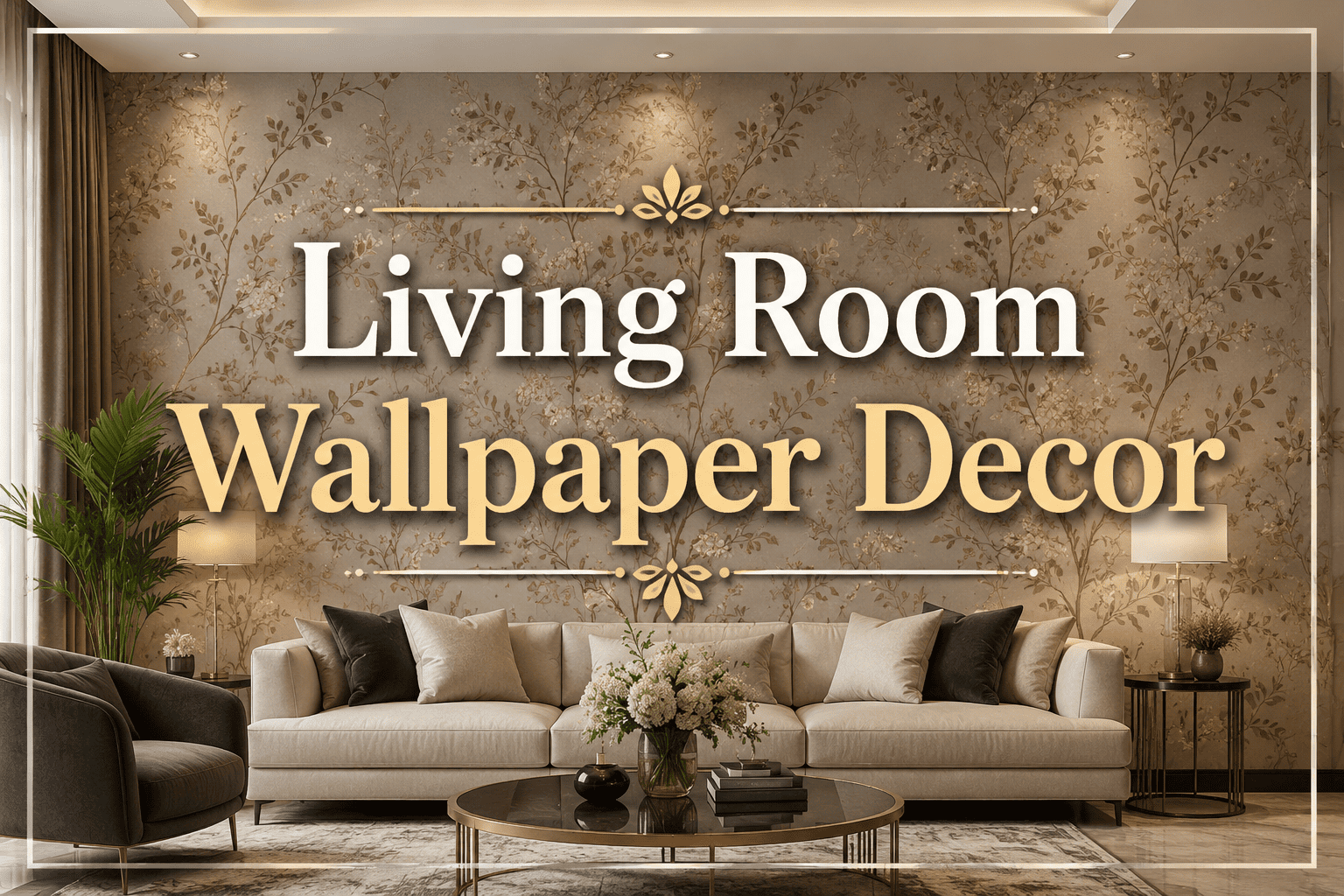
The best living room wallpaper decor starts with one clear visual idea. Choose a wallpaper that suits the room’s size and lighting, use it strategically on a focal wall or architectural feature, and repeat one or two of its colors through furniture and accessories. Keep large furniture relatively simple and allow some negative space so the wallpaper remains the star without making the room feel crowded.
Introduction
Wallpaper is no longer just a decorative layer added to an empty wall. In modern interiors, living room wallpaper decor can become the visual identity of the entire space. The right design can add depth to a plain room, bring personality to neutral furniture, highlight architectural features, and create the kind of polished atmosphere that usually feels professionally designed.
But choosing an attractive wallpaper is only half the job. The real difference comes from how you use it. A dramatic print can look sophisticated in one living room and overwhelming in another simply because of its placement, scale, lighting, or surrounding furniture.
The smartest approach is to treat wallpaper as part of the room’s overall composition. Think about the sofa, natural light, flooring, artwork, curtains, and even the empty space around the pattern before making your final choice.
Whether you prefer sophisticated neutrals, artistic murals, rich colors, textured finishes, or unexpected contemporary designs, these ideas will help you create a wallpapered living room decor that feels intentional, stylish, and uniquely yours.
1. Build the Wall Around a Hero Feature
Instead of treating wallpaper as the main attraction by itself, use it to frame something important in the room. A fireplace, large artwork, sculptural console, or oversized mirror can become the hero feature.
Choose a wallpaper that supports that object rather than competing with it. For example, an expressive mural behind a fireplace can make the entire fireplace wall feel architectural, while a quieter textured pattern can create an elegant backdrop for artwork.
This approach creates visual hierarchy, making the room easier to look at because the eye naturally knows where to land first.
2. Use Large-Scale Patterns for Instant Drama
Small repeating patterns can be beautiful, but large-scale designs create a completely different effect. Oversized flowers, sweeping abstract shapes, dramatic landscapes, and large organic forms can make an ordinary wall feel like a piece of art.
The key is scale. A large pattern generally works best when the surrounding furniture is not competing for attention. Let the wallpaper make the statement while keeping other major surfaces relatively calm.
3. Create a Faux Architectural Effect
You do not need expensive stone, plaster, or elaborate construction to give your living room architectural character. Wallpaper can imitate materials such as aged plaster, concrete, marble, linen, wood, or hand-finished surfaces.
These designs are particularly useful in newer homes where the walls may feel too plain. Instead of simply adding color, a realistic texture introduces visual depth and makes the wall appear more considered.
For a refined result, choose finishes that have subtle variation rather than an overly artificial appearance.
4. Turn an Oversized Mirror Into a Wallpaper Multiplier
An oversized mirror placed against a wallpapered wall can create an unexpectedly dramatic effect. The mirror reflects the pattern, furniture, and light, making the wall feel more dynamic.
This is especially effective when the wallpaper has an artistic or textured design that looks beautiful from different angles.
Place the mirror where it can reflect natural light or an attractive part of the room. Avoid positioning it directly opposite clutter, as the reflection will simply duplicate the visual mess.
5. Give Built-In Shelves a Designer Backdrop
If your living room has recessed shelving or built-in cabinets, the wall behind them is an ideal place to experiment with wallpaper.
Rather than covering every surface, use wallpaper inside the shelves to create contrast and depth. It can make books, ceramics, plants, and decorative objects stand out while visually connecting the shelving to the rest of the room.
This technique works particularly well with subtle patterns because the shelves already contain plenty of visual information.
6. Try Tonal Wallpaper for Quiet Luxury
Dramatic does not always mean dark or colorful. Tonal wallpaper can create just as much impact through texture, pattern, and subtle contrast.
Think beige on cream, warm grey on taupe, or soft green with slightly deeper botanical detailing. The effect is sophisticated because the design reveals itself gradually instead of demanding attention immediately.
Tonal wallpaper is an excellent choice when you want a luxurious living room that still feels calm and comfortable.
7. Crop a Large Motif Like Custom Artwork
One clever way to make wallpaper look more expensive is to think about where the pattern will be positioned before installation.
Instead of accepting the repeat exactly as it comes, consider how large motifs will appear behind your sofa, artwork, or console. A prominent floral or artistic shape can be positioned so that it becomes a deliberate focal point.
This simple design decision can make standard wallpaper feel much more customized.
8. Turn an Awkward Wall Into an Advantage
Narrow walls, alcoves, chimney breasts, recesses, and unusual corners can be difficult to decorate. Wallpaper gives these overlooked areas a purpose.
Rather than trying to hide an awkward section, make it a feature. A distinctive print inside an alcove can create a small visual moment, while wallpaper around a chimney breast can emphasize its architectural shape.
Sometimes the least convenient wall in the room can become its most memorable feature.
9. Replace a Traditional Gallery Wall
If you love artwork but do not want dozens of frames, expressive wallpaper can provide the same sense of visual personality with less clutter.
A painterly mural, abstract design, or artistic landscape can act as the room’s artwork while allowing the furniture to remain simple.
This works especially well in minimalist living rooms where too many decorative objects would interrupt the clean aesthetic.
10. Pull One Unexpected Color From the Wallpaper
You do not need to match your entire living room to the wallpaper. Instead, choose one less obvious color from the design and repeat it somewhere unexpected.
For instance, a wallpaper containing cream, olive, brown, and muted blue might inspire a single blue cushion or a small accent chair.
This creates connection without making the room look overly coordinated. The result feels curated rather than decorated from a matching set.
11. Mix Wallpaper With Contrasting Materials
One of the easiest ways to make dramatic wallpaper feel sophisticated is to place it beside materials with a completely different character.
Pair delicate patterns with dark wood, leather, brushed metal, concrete, or natural stone. The contrast prevents the room from feeling too predictable.
Soft wallpaper and rough materials can create warmth and tension at the same time, giving a contemporary living room much more personality.
12. Use Wallpaper Behind Curved Furniture
Curved sofas and rounded chairs have become popular because they soften the hard lines found in many modern interiors. Wallpaper can enhance that effect.
Organic wallpaper patterns, flowing abstract designs, and curved motifs naturally complement rounded furniture.
Instead of creating a room filled with straight lines, the combination introduces movement. The result feels softer, more relaxed, and visually interesting.
13. Make the Fireplace Wall the Signature Feature
A fireplace already attracts attention, so wallpaper can turn it into the defining element of the living room.
Choose a design that works with the fireplace material rather than fighting against it. For example, warm textured wallpaper can complement natural stone, while a sophisticated abstract print can give a contemporary fireplace a more artistic identity.
Keep accessories around the fireplace controlled. The wall itself should provide enough drama.
14. Use Wallpaper to Visually Divide an Open-Plan Room
In an open-plan home, wallpaper can define the living area without physical walls.
Apply it to the main seating zone while leaving the neighboring dining or kitchen area in a simpler finish. The change in wall treatment creates an invisible boundary and gives the living room its own identity.
Choose a wallpaper color that connects with the rest of the open space so the areas still feel like part of one home.
15. Make a Narrow Room Feel More Balanced
Wallpaper can influence how the proportions of a room are perceived. Vertical patterns can emphasize height, while carefully placed horizontal elements can create a stronger sense of width.
In a narrow living room, avoid automatically covering every wall with a heavy pattern. A carefully selected feature wall can create depth without making the space feel enclosed.
Always test samples in the actual room because lighting and surrounding colors can significantly change how the wallpaper appears.
16. Pair Wallpaper With Curtains Without Matching Them Exactly
Wallpaper and curtains occupy large visual areas, so they should work together. However, identical patterns can quickly make a room look too coordinated.
Instead, choose curtains from the same color family while varying the texture or pattern. A patterned wallpaper might work beautifully with plain linen curtains, while a subtle wallpaper could support richer textured drapes.
The goal is harmony, not duplication.
17. Give Simple or Vintage Furniture a Fresh Context
Wallpaper can completely change how furniture is perceived. A basic sofa can feel more sophisticated against an elegant textured wall, while vintage furniture can look surprisingly modern when paired with contemporary wallpaper.
This is a useful decorating strategy when you do not want to replace expensive furniture. Sometimes changing the background can transform the appearance of the entire room.
18. Create Monochromatic Drama
A monochromatic living room does not have to be boring. In fact, using different shades of one color can create a dramatic and highly sophisticated result.
Choose wallpaper within the same color family as the sofa and accessories, but introduce different textures and pattern scales.
For example, several shades of warm beige can create depth through wallpaper, upholstery, wood, and lighting while maintaining a calm visual flow.
19. Design for Both Daylight and Evening Light
Never choose wallpaper based only on how it looks in a showroom or online photograph.
Natural daylight can make colors appear brighter, while warm evening lighting can make them deeper and richer. Metallic details may become more noticeable at night, while textured wallpaper can reveal shadows throughout the day.
Place a large sample on the wall and observe it at different times before making a final decision. This small step can prevent an expensive decorating mistake.
20. Let the Wallpaper Set the Entire Design Direction
For the most cohesive result, choose your wallpaper before buying the remaining decorative pieces.
Once you have the wallpaper, pull inspiration from its colors, mood, texture, and pattern. Then select the sofa, rug, curtains, lighting, artwork, and accessories accordingly.
This reverses the common decorating process and gives every element a clear relationship with the room’s main visual feature.
Designer Tricks for a More Expensive Look
Leave breathing room. A dramatic wallpaper does not need to be surrounded by dozens of accessories. Empty space helps the design stand out.
Repeat selectively. Take one color from the wallpaper and repeat it once or twice rather than copying the entire palette throughout the room.
Keep large furniture controlled. A simple sofa often works better with dramatic wallpaper than another heavily patterned statement piece.
Mix textures. Combine wallpaper with wood, linen, leather, glass, metal, or velvet to create depth.
Use lighting strategically. Wall sconces, floor lamps, and warm accent lighting can reveal texture and make wallpaper look richer after sunset.
What Can Ruin a Dramatic Wallpaper Wall?
Even beautiful wallpaper can fail when the surrounding design is not balanced. Using too many statement pieces can create visual competition, while choosing a pattern that is too large for the wall decor may make the room feel crowded.
Poor lighting can also change the color dramatically. Another common mistake is matching every piece of furniture exactly to the wallpaper. A little contrast usually creates a more sophisticated result.
The goal is not to make every element compete with the wallpaper. The goal is to make everything support it.
How to Choose the Right Living Room Wallpaper
Start by considering room size, natural light, ceiling height, furniture color, and the mood you want to create.
For a small living room, lighter colors and controlled patterns can maintain an airy feeling. Larger rooms can usually handle bolder motifs and deeper colors.
Next, consider the focal point. Decide whether you want the wallpaper behind the sofa, fireplace, television, shelving, or another architectural feature.
Finally, order samples and observe them in your actual space during both daytime and evening. A wallpaper that looks perfect online can appear completely different under your home’s lighting.
FAQs
How can I make my living room wallpaper look expensive?
Choose a sophisticated pattern, keep the surrounding furniture relatively simple, repeat only one or two wallpaper colors, and use layered lighting. Texture and negative space can also make wallpaper feel considerably more premium.
What should I put in front of a wallpapered wall?
A sofa, console, accent chair, fireplace, or carefully selected artwork can work well. Choose pieces that complement the wallpaper without completely hiding its main pattern.
Can wallpaper make a living room look bigger?
Yes. Light colors, subtle patterns, reflective details, and carefully selected vertical or horizontal designs can influence the visual perception of a room’s proportions. However, the result depends on the overall layout and lighting.
How do I decorate around bold wallpaper?
Keep the larger furniture pieces relatively simple and choose accessories that pick up one or two colors from the wallpaper. Avoid introducing several unrelated patterns.
Should furniture match the wallpaper?
Exact matching is usually unnecessary. Coordinating colors, textures, and tones creates a more natural and sophisticated interior than using identical colors everywhere.
Is wallpaper suitable for a small living room?
Absolutely. The key is choosing the right scale and placement. A carefully selected feature wall can add depth and personality without making a small room feel visually crowded.
conclusion
The best living room wallpaper decor is not necessarily the loudest or most colorful. It is the design that gives the room a clear identity while working naturally with its furniture, architecture, lighting, and proportions.
Whether you choose a dramatic mural, a textured neutral, a sophisticated tonal pattern, or an artistic statement print, think beyond the wall itself. Let the wallpaper influence the rest of the room, but give it enough breathing space to remain the star.
When wallpaper becomes part of the room’s complete composition rather than an isolated decoration, even an ordinary living room can feel remarkably polished, personal, and unforgettable.

Leave a Reply